

How Interior Designers, Architects, and Builders Can Share Photography Costs
A practical guide to sharing interior photography costs among designers, architects, builders, and vendors while keeping image licensing clear and fair.
A professionally photographed design project often represents the work of many talented collaborators. The interior designer, architect, builder, cabinetmaker, landscape designer, and other project partners may all want finished images for their portfolios and marketing.
Rather than arranging separate photo shoots, these businesses can often participate in one coordinated shoot and share the overall cost. This approach makes professional interior and architectural photography more accessible while giving every participating company a cohesive collection of images.
However, cost-sharing involves more than informally dividing a photographer’s invoice. Each business using the photographs needs appropriate licensing, and the photographer needs to understand who will be using the images before preparing the estimate.
Here is how collaborative photography pricing and licensing typically work.
Why Project Partners Share Photography Costs
A completed home or commercial space rarely reflects the work of only one company. An interior designer may have selected the furnishings and finishes, while an architect developed the plans, a builder managed construction, and specialized vendors contributed cabinetry, stone, lighting, landscaping, or custom details.
Each company may need professional images for:
Its website and online portfolio
Social media
Digital and print advertising
Public relations
Editorial submissions
Award entries
Proposals and presentations
Printed marketing materials
When project partners coordinate their photography needs, they can create a more complete image library and reduce the amount each company pays compared with arranging separate shoots.
A shared shoot also minimizes disruption for the homeowner. The property needs to be cleaned, styled, and photographed only once.
How Photography Cost-Sharing Works
The photographer begins by preparing an estimate based on the scope of the assignment. This may include the number of shoot days, project location, approximate number of finished images, production requirements, styling needs, drone photography, video, travel, and post-production.
That base estimate usually includes a usage license for the primary client commissioning the work.
When another company wants to use the finished photographs, an additional licensing fee is added.
The combined cost can then be divided among the participating companies according to their agreement.
For example, imagine that the base photography estimate is $6,000 and includes licensing for one company. Adding a second licensed company at 30 percent would increase the total by $1,800.
The total project cost would be $7,800. If the two companies divide that equally, each would pay $3,900.
This allows both businesses to receive properly licensed professional images for considerably less than the cost of commissioning two separate $6,000 shoots.
The exact numbers will vary depending on the project, number of participants, intended usage, and photographer’s licensing structure.
Why Each Business Needs Its Own License
Hiring a photographer does not automatically transfer ownership of the photographs. In most commercial photography arrangements, the photographer retains the copyright and grants the client permission to use the images in specific ways.
A license defines who may use the photographs and how they may be used.
If an interior designer hires a photographer, the resulting license does not automatically extend to the architect, builder, manufacturer, real estate agent, magazine, or other project partner. Even when the companies collaborated on the same project, they remain separate businesses using the images for their own marketing.
Adding each participating company to the photography agreement protects everyone involved. It ensures that each business has clear permission to use the images while allowing the photographer to price the assignment fairly based on the value being provided.
Decide Who Is Participating Before the Shoot
The best time to discuss cost-sharing is before the photography estimate is approved.
Create a list of potential participants, including:
Interior designers
Architects
Builders and contractors
Landscape architects or designers
Cabinetmakers and millworkers
Kitchen and bath companies
Tile, stone, lighting, or plumbing suppliers
Furniture companies and other vendors
Developers or property owners
Hotels, restaurants, or commercial tenants
Not every contributor will want to participate. However, asking early gives each company time to review the opportunity and include the photography expense in its marketing budget.
It also allows the photographer to prepare one clear agreement identifying every licensed party.
Agree on the Shot List Together
Although project partners are documenting the same space, they may not have identical priorities.
An interior designer may want images showing furniture, materials, color, and styling. An architect may care more about structure, circulation, scale, and the relationship between spaces. A builder may need detailed photographs of craftsmanship, millwork, and construction solutions. A landscape designer may want exterior views that connect the building to the site.
Before the shoot, each participating company should contribute its priorities to a shared shot list. The photographer can then determine how much time is needed and create an efficient production schedule.
One company should act as the primary contact so the photographer is not receiving conflicting instructions from several people during the shoot. The complete group can review the shot list in advance, but one designated person should handle final approvals and scheduling.
Determine How Image Selection Will Work
Image selection should also be discussed before the assignment.
In some arrangements, all participating companies receive the same collection. In others, the project includes a set number of finished images, and each company contributes to the selections.
If participants want different photographs, the estimate may need to include additional finished images and post-production. Establishing this process early prevents confusion after the shoot.
The photography agreement should explain:
How many finished images are included
Who will make the final selections
Whether all participants receive the same images
The cost of additional finished photographs
How and when files will be delivered
What types of usage are included
Whether image credit is required
Clarify Invoicing and Payment
There are two common ways to handle payment.
The photographer may send one invoice to the primary client, who then collects payment from the other participants. Alternatively, the photographer may invoice each licensed company separately.
Either option can work, but the arrangement should be decided before the agreement is signed. The photographer also needs to know whether every participant must submit payment before the shoot or before the finished images are released.
When several companies are involved, a clear written proposal keeps the process organized and prevents one participant from being surprised by the final cost.
Consider Future Partners and Vendors
Sometimes a vendor decides it wants to use the photographs after seeing the completed gallery. That may still be possible, but the vendor will need to contact the photographer and purchase an appropriate license.
The original client should not send high-resolution files to an unlicensed company, even when that company contributed to the project.
If you believe certain manufacturers, suppliers, or subcontractors may want the images, invite them to participate before the shoot. Early participation generally makes budgeting and licensing simpler for everyone.
The Benefits of a Collaborative Photo Shoot
When it is planned properly, photography cost-sharing benefits the entire project team.
Participants receive consistent, high-quality imagery that represents the completed project at its best.
The homeowner experiences less disruption. Project partners can coordinate credits, editorial submissions, and social media announcements. Everyone has the opportunity to promote the work while recognizing the other businesses that helped bring it to life.
Collaborative photography can also strengthen professional relationships. When designers, architects, builders, and vendors share the investment, the finished images become a valuable marketing resource for the entire team.
Planning Photography for a Collaborative Project?
I work with interior designers, architects, builders, hospitality brands, and project partners to create coordinated photography plans that clearly address the scope, image selections, licensing, invoicing, and delivery.
If several companies would like to participate, I can prepare a cost-sharing proposal that outlines what is included and what each business will pay before the shoot is booked.
Based in Southern Maine and available for projects throughout New England and nationwide.

How to Get Your Interior Design Project Published
A former Maine Home+Design art director shares practical tips for interior designers on preparing, photographing, and submitting projects for publication.

Seeing a completed project featured in a design publication can build credibility, introduce your work to a wider audience, and help attract the kinds of clients and projects you want next. But a beautiful room alone is not always enough to earn editorial attention.
Before becoming a professional interior and architectural photographer, I spent eight years as an art director at Maine Home+Design. I saw firsthand how editors evaluated projects, selected images, and transformed a home into a compelling editorial feature.
The strongest submissions combine beautiful design, professional photography, a distinctive story, and complete project information. If publication is one of your goals, it helps to plan for it before the photography even begins.
1. Look for the Story Behind the Design
Editors are not simply looking for attractive rooms. They are looking for a reason to share a particular project with their readers.
Consider what makes your project distinctive:
Was a historic home thoughtfully restored?
Did you solve an unusual architectural or design challenge?
Does the home reflect its coastal, urban, or rural setting?
Were local artisans or custom materials involved?
Did the clients have an interesting vision or personal connection to the property?
Does the project demonstrate a new way of using color, space, or materials?
The story does not need to be dramatic. It simply needs to give the project context and make it memorable.
2. Discuss Photography and Publication With Your Client Early
Before arranging a professional photo shoot, confirm that the homeowner is comfortable having the space photographed and potentially submitted for publication.
Ideally, this conversation should happen early in the design process and be addressed in your client agreement. Explain how the images may be used, whether the homeowner’s identity or exact location will remain private, and whether a publication might request an interview or additional information.
Clear communication from the beginning can prevent complications once the project is complete.
3. Research Publications Before the Photo Shoot
Each publication has its own visual style, geographic focus, audience, and submission process. Researching potential outlets in advance can help shape the photography plan.
Review recent issues and online features. Consider:
Does the publication feature projects like yours?
Does it focus on a particular region or style?
Does it publish whole-home stories or individual rooms?
Does it favor highly styled imagery or a more natural approach?
Does it require exclusivity?
Does it publish projects that have already appeared elsewhere?
National publications may have different requirements from regional magazines, local newspapers, and digital design outlets. Choose a few publications that genuinely fit the project instead of sending the same submission everywhere.
4. Create a Complete Editorial Shot List
A design portfolio and an editorial feature have overlapping needs, but they are not exactly the same. A portfolio might rely on a few exceptional hero images. An editorial story requires enough visual variety to guide a reader through the project.
A strong editorial image library usually includes:
Exterior views that establish the setting
Wide photographs showing complete rooms
Medium compositions that reveal relationships between spaces
Vertical and horizontal options
Architectural details and custom craftsmanship
Materials, textiles, art, and styling details
Transitional spaces such as entryways, stairs, and hallways
Environmental portraits of the designer, architect, builder, or homeowner when appropriate
Lifestyle moments that help communicate how the home is experienced
It is also important to leave room within some compositions for headlines, captions, and magazine layouts. Before the shoot, talk with your photographer about where you hope to submit the project. A photographer with editorial experience can help create a shot list that works for publications as well as your website, portfolio, social media, awards, and marketing.
5. Photograph the Project at the Right Time
Schedule photography when the project is truly complete but still looks fresh.
Construction materials, temporary furniture, unfinished landscaping, missing artwork, and small installation details can distract from an otherwise exceptional space. At the same time, waiting too long may mean the clients have begun changing the styling or adding everyday clutter.
Walk through the project before the shoot and create a list of anything that needs attention. Confirm that lights work, window treatments are installed, artwork is straight, surfaces are clean, and all final accessories are in place.
6. Style for the Camera
A beautifully designed room may still need adjustments to translate well in a photograph. The camera sees spacing, scale, clutter, and visual balance differently from the human eye.
During a shoot, furniture and accessories may need to be moved slightly to improve the composition.
Flowers, branches, books, artwork, table settings, and textiles can add depth and life, but they should support the design rather than overwhelm it. If the project is being considered for a major editorial submission, working with an experienced interior stylist may be worthwhile. The designer, stylist, and photographer can collaborate to preserve the character of the space while ensuring every frame feels intentional.
7. Include Both the Overall Design and the Details
Editors need images that show the entire room, but close details are often what make a story feel personal and specific.
Custom millwork, handmade tile, hardware, upholstery, lighting, collected objects, and unexpected design decisions can all become important parts of the visual narrative. These images also provide useful variety when a publication is planning a multipage layout.
A complete image collection should help someone understand how the spaces connect while also revealing the craftsmanship and decisions that make the project unique.
8. Gather Complete Project Credits
Do not wait until an editor requests credits to begin assembling them. Create a complete list while the project details are still fresh.
Depending on the project, credits may include:
Interior designer
Architect
Builder or general contractor
Landscape architect or designer
Kitchen and bath designers
Cabinetmakers and millworkers
Artists and craftspeople
Lighting, plumbing, tile, stone, and textile sources
Stylist
Photographer
Accurate credits make a submission feel professional and help ensure that everyone who contributed to the project is properly recognized. They can also create opportunities for project partners to share the published feature and link back to one another, extending the reach of the story.
9. Write a Concise and Compelling Project Description
Your submission does not need to include a fully written magazine article. A clear overview is usually more useful.
In a few short paragraphs, explain:
Where the project is located
The type and age of the property
Who lives there, if the clients are comfortable sharing
The goals of the project
The primary design challenges
The most distinctive materials or features
Any meaningful connection between the design and its setting
Why the project is relevant to the publication’s readers
Include memorable details, but keep the pitch focused. Editors receive many submissions and should be able to understand the story quickly.
10. Follow Each Publication’s Submission Guidelines
Before submitting, review the publication’s current requirements. Some use online forms, while others request an introductory email with a small selection of images or a private gallery link.
Avoid attaching a large collection of high-resolution files unless specifically requested. Instead, lead with a carefully edited selection of images that communicates the quality and range of the project.
Your submission should include:
A brief introduction
A concise project summary
Several strong preview images or a gallery link
The project location
The design team and photographer credits
Publication history, if any
Confirmation that homeowner permission has been obtained
Your contact information
If you do not hear back immediately, be patient. Editorial calendars are often planned well in advance, and a project may not fit the publication’s needs at that particular moment.
What Editors Look for in Interior Photography
From an art director’s perspective, the strongest interior photography does more than document a completed room. It creates a visual experience.
Editors and art directors look for images that are technically polished, accurately colored, thoughtfully composed, and varied enough to build a story. They need wide views, intimate details, horizontal and vertical options, and photographs that flow naturally from one space to the next.
They also look for a clear point of view. The photography should preserve the designer’s vision while helping readers understand how the home feels. Natural light, materials, craftsmanship, scale, and the relationship between the interior and its surroundings all contribute to that sense of place.
A cohesive set of editorial-quality images makes a project easier to evaluate, easier to lay out, and ultimately more compelling to publish.

Make Photography Part of Your Publication Strategy
If you hope to have a project published, do not treat photography as the final administrative task after the design is complete. Include it in the project plan from the beginning.
Confirm client permission, identify the story, research appropriate publications, and collaborate with your photographer on a comprehensive shot list. Even if the project is not ultimately published, you will come away with a versatile image library that can support your portfolio, website, social media, press outreach, award submissions, and future marketing.
Planning to Photograph a Completed Interior Design Project?
I collaborate with interior designers, architects, builders, and other project partners to create polished, editorial-quality photography that captures both the overall design and the details that make a space distinctive.
With eight years of experience as an art director at Maine Home+Design, I understand how to plan and photograph a project for portfolios, editorial submissions, awards, websites, and marketing.
Based in Southern Maine and available for projects throughout New England and nationwide.
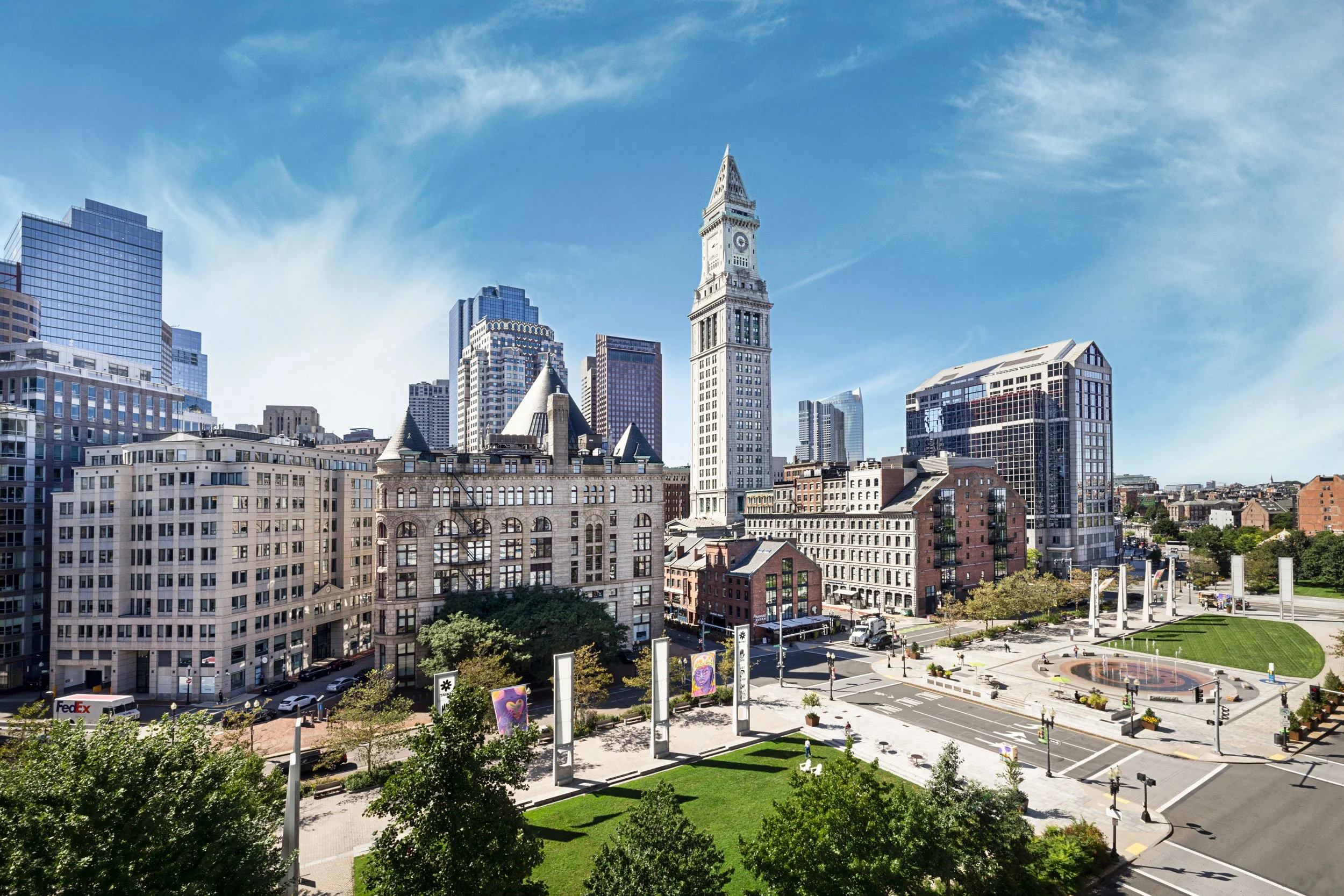
Featured in Redfin: What Locals Love About Boston
Heidi Kirn Photography was featured in Redfin, sharing expert insight on creating beautiful, inviting spaces and the role professional photography plays in showcasing a home at its best.
I’m honored to be included in Redfin’s recent article, “What Locals Love About Boston,” alongside other local creatives and professionals sharing what makes the city such a distinctive place to live and work.
As a photographer who works throughout Boston and New England, I’m continually inspired by the way the city’s historic character exists alongside its contemporary architecture, restaurants, neighborhoods, and cultural institutions. Boston offers something visually interesting around nearly every corner and has such a strong sense of place.
Read the full article, including my contribution, on Redfin’s blog: What Locals Love About Boston
Planning an architectural, interior, hospitality, or branding photography project in Boston? View my portfolio and get in touch.
How to Hire a Hotel Photographer
Hiring the right hotel photographer can make a major difference in how your property is perceived online. Here’s what to look for, what to ask, and how to prepare for a successful hospitality photo shoot.
A Guide for Hotel Owners and Marketing Directors
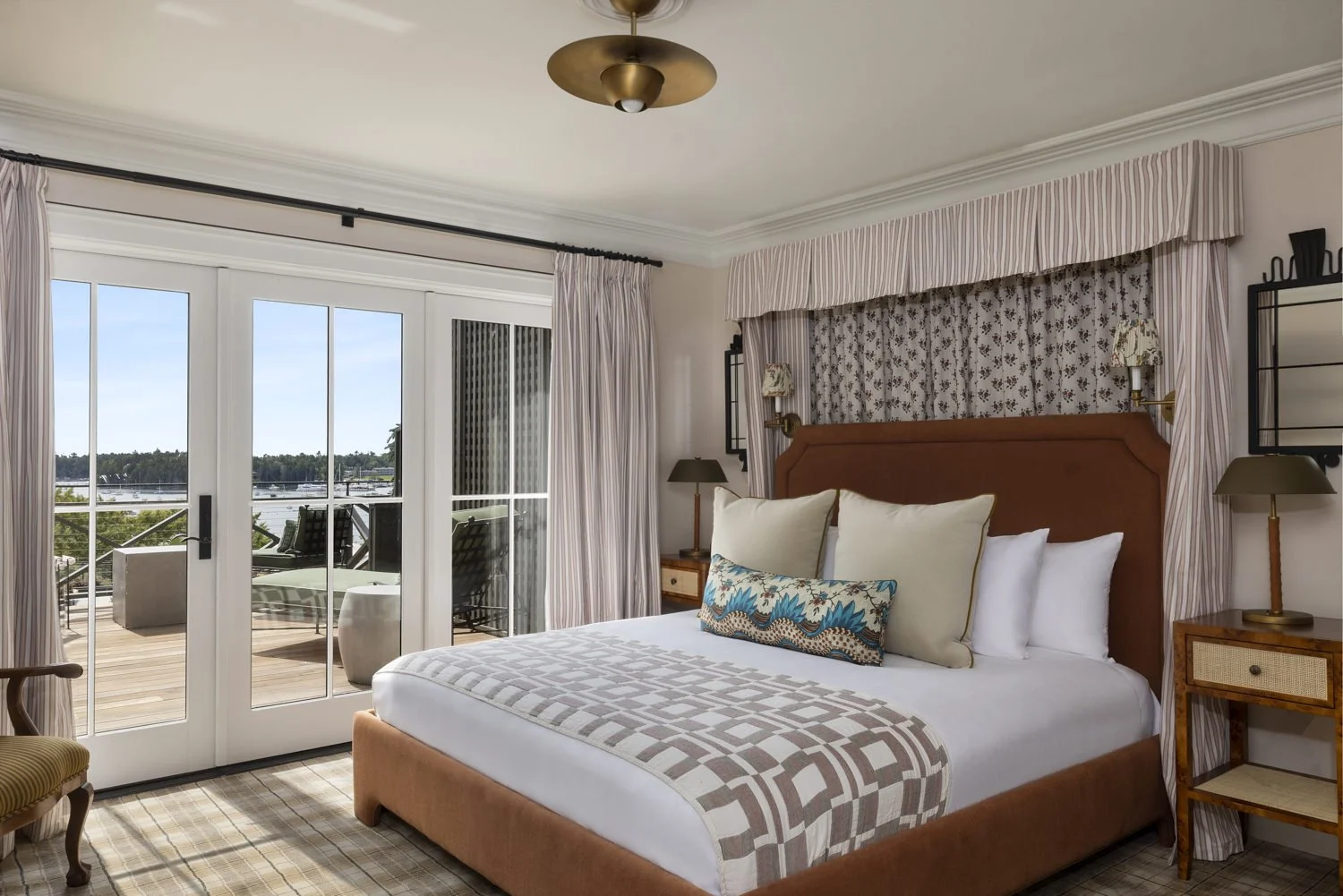
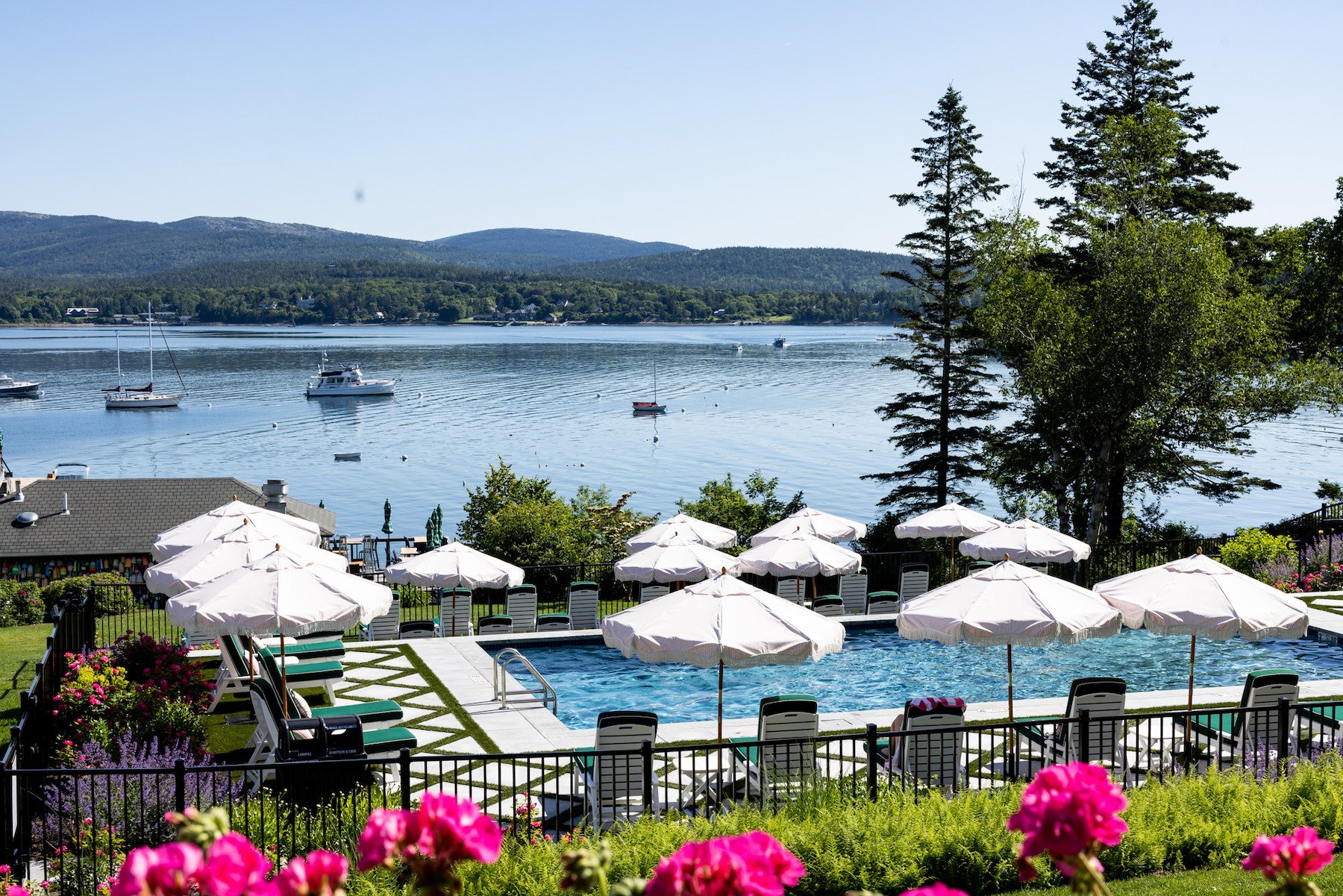
The Asticou Hotel, Northeast Harbor, ME. Photography by Heidi Kirn.
Hiring the right hotel photographer is an important investment in your property’s marketing. The images may be used for years across your website, booking platforms, advertising, public relations, social media, email campaigns, and sales materials.
A successful hotel photoshoot requires more than attractive pictures. The photographer should understand architecture, interiors, food, lifestyle, branding, and the practical realities of working within an active property.
Look for Hospitality Experience
Hotel photography is different from real estate photography. The goal is not only to document a room or building, but to communicate what it feels like to stay at the property.
A hospitality photographer should be comfortable moving between guest rooms, restaurants, amenities, lifestyle scenes, food, staff, exteriors, and the surrounding destination. They should also know how to work efficiently around guests, housekeeping, and hotel operations.
Review Complete Projects, Not Just a Few Images
Ask to see a complete hotel or resort project whenever possible. A full production requires consistency across different spaces, lighting conditions, and types of content.
Look for cohesive color, lighting, composition, editing, and brand alignment. The final collection should feel connected, even when the photographer moves from bright interiors to a dark restaurant, an outdoor pool, or an aerial view.
Make Sure They Understand Your Brand
A historic coastal inn should not be photographed like a modern city hotel or a luxury wellness resort. Before the shoot, the photographer should learn about your ideal guest, brand positioning, key amenities, competitive advantages, and upcoming marketing priorities.
The goal is to create images that feel specific to your property, not generic hotel photography. Light, styling, people, movement, and mood should all support the brand.
Ask About Photography, Video, and Drone
Hotels often need several types of content during the same production. Ask whether the photographer can handle interiors, architecture, food, lifestyle, staff, events, and exterior photography with a consistent visual approach.
Video can add movement and atmosphere through homepage films, room walkthroughs, vertical social clips, restaurant footage, and short advertising content. Capturing photography and video together can be more efficient when rooms are styled and models or staff are already available.
Drone photography and video can show the property layout, surrounding destination, waterfront access, landscaping, pools, and the relationship between buildings and amenities. For commercial work, the drone operator should be properly certified and insured.
Find Out Whether They Help Plan the Shoot
A strong hotel photographer should do more than arrive with a camera. The planning process should include reviewing your current marketing materials, identifying missing or outdated images, and creating a prioritized shot list.
The list should account for room categories, amenities, restaurants, seasonal needs, website updates, public relations, advertising, social media, recent renovations, and new guest experiences. Good planning makes the shoot more efficient and reduces the chance of missing important content.
Discuss Licensing, Pricing, and Timing
Before the shoot, discuss where the images will be used and what licensing is included. Your hotel may need content for its website, online travel agencies, social media, advertising, brochures, event sales, and public relations. Architects, designers, builders, restaurants, or management companies may also want usage rights.
Pricing depends on the size of the property, number of room categories, amenities, shoot days, styling, models, food photography, video, drone work, travel, retouching, and licensing. A small inn may need one focused day, while a larger resort may require multiple days or seasonal visits.
One of the most common mistakes is trying to fit too much into too little time. Rooms must be cleaned and styled, restaurants may need to be photographed outside service hours, and exterior or drone work depends on weather and light. An experienced photographer should be realistic about what can be completed well.
Prepare the Property Carefully
The condition of the property has a major impact on the final images. Coordinate housekeeping, maintenance, landscaping, room styling, food preparation, staff schedules, models, props, parking, and guest access before the shoot.
Small details matter. Wrinkled bedding, cluttered counters, burned-out light bulbs, visible cleaning supplies, damaged furniture, or unfinished landscaping can distract from otherwise strong photographs. Your photographer should provide preparation guidance in advance.
Questions to Ask Before Hiring
Do you have experience photographing hotels and resorts?
Can I see complete hospitality projects?
Do you photograph interiors, lifestyle, food, and people?
Do you provide video and commercial drone services?
Can you help us develop the shot list and production schedule?
What licensing and number of final images are included?
How many shoot days do you recommend?
How should we prepare the property?
What happens if weather affects the shoot?
Do you travel and carry appropriate insurance?
Choosing the Right Hotel Photographer
The right hotel photographer should feel like a creative partner. They should understand your property, your guest, and your marketing goals, then create a cohesive library that works across platforms and campaigns. Most importantly, the images should show not only what your hotel looks like, but what it feels like to stay there.
Planning Photography for Your Hotel or Resort?
I work with hotels and resorts throughout the country to create cohesive photography libraries that capture the full guest experience. Whether you are planning a property refresh, seasonal campaign, renovation launch, or new website, I can help develop the shot list, production schedule, and creative approach for your project.
8 Types of Photos Every Hotel Needs for Its Marketing
Strong hotel photography should tell the full story of a property. These eight essential image types help hotels showcase the guest experience, highlight key amenities, and create a more compelling visual presence across websites, social media, and booking platforms.
A strong hotel photography library should do more than show the guest rooms. It should help potential guests understand the complete experience, from the moment they arrive to the way they will dine, relax, gather, and explore the destination.
For hotel marketing teams, variety is just as important as beautiful individual images. The right mix gives you flexible content for your website, booking pages, social media, email campaigns, advertising, public relations, and seasonal promotions. When planning a professional hotel photoshoot, these are eight types of photographs worth including.
1. Exterior and arrival photographs
The guest experience begins before anyone enters the lobby. Exterior photographs establish the setting, architecture, landscaping, and sense of arrival. They help travelers understand whether a property feels coastal, urban, secluded, historic, modern, or resort-like.
Include wide views of the property, the entrance, signage, pathways, landscaping, and any memorable approach. Morning, sunset, twilight, and aerial perspectives can each tell a slightly different story. These images are especially useful on homepages, booking sites, travel features, advertisements, and destination guides.
2. Guest rooms and suites
Guest rooms are often the most important photographs in a hotel image library because they directly influence booking decisions. Travelers want to understand the size, layout, light, furnishings, views, and overall atmosphere of the room they are considering.
Photograph each major room category rather than relying on one room to represent the entire property. A complete set may include a wide establishing image, alternate angles, the bed and sitting area, the view, and distinctive features such as a fireplace, balcony, or kitchenette. Clean styling matters, but the room should still feel warm, comfortable, and ready for a guest.
3. Bathrooms and room details
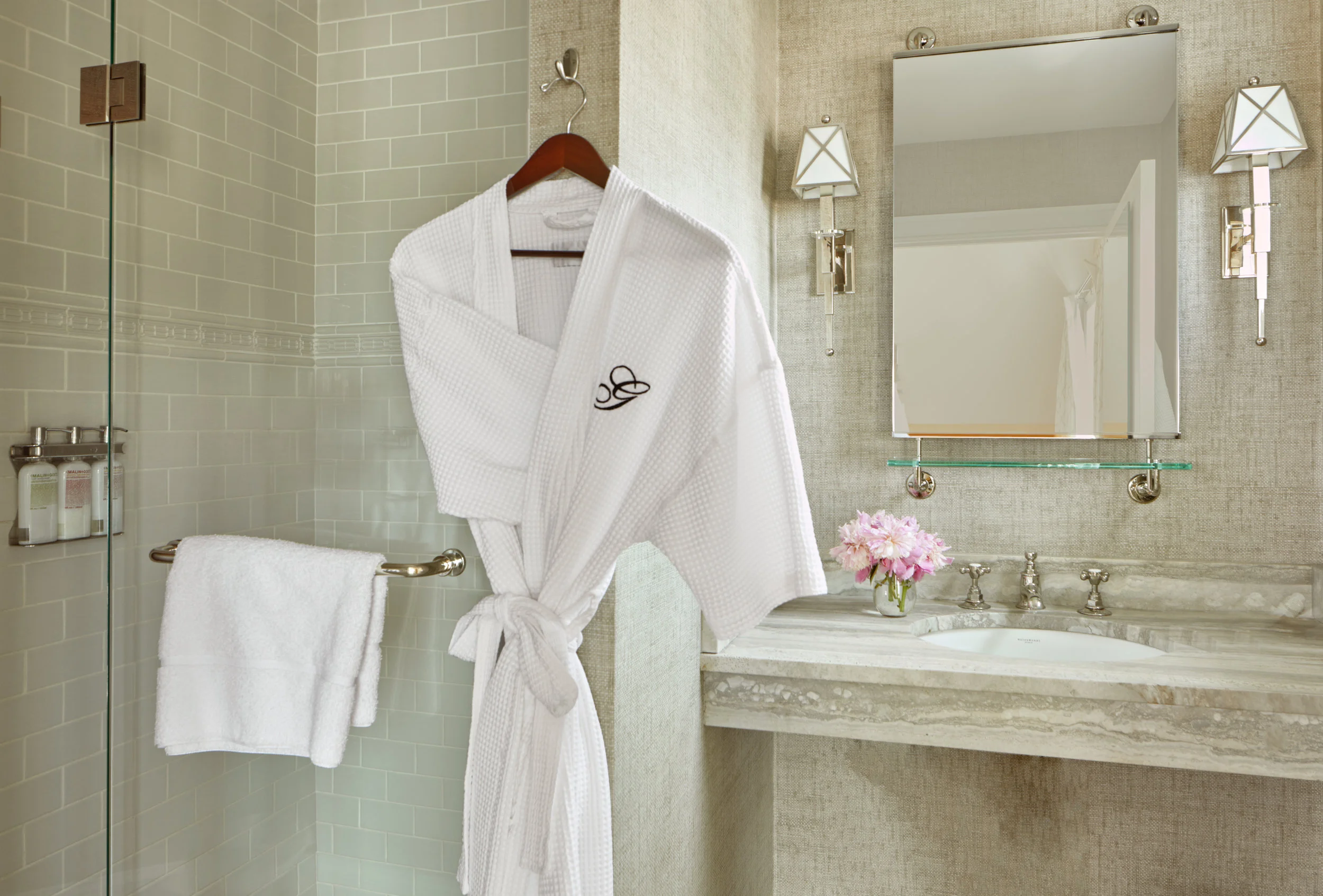
Bathrooms and thoughtful room details can communicate quality in a way that a single wide room photograph cannot. Materials, fixtures, linens, amenities, artwork, and small design moments help distinguish one property from another.
These photographs are useful for room-detail pages, social media, design stories, press outreach, and renovation announcements. Focus on features that genuinely matter to the guest, such as a soaking tub, walk-in shower, custom tile, locally made products, a coffee station, or a well-designed work area.
4. Lobby and common spaces
Lobbies, lounges, libraries, porches, and other shared areas show guests where they can gather, work, read, or simply spend time outside their room. These spaces often carry the strongest expression of the hotel’s design and personality.
Photograph them both as complete spaces and as smaller moments. A wide image explains the room, while closer compositions reveal texture, styling, artwork, and seating areas. If the space feels more inviting when it is being used, include a few subtle lifestyle images as well.
5. Amenities
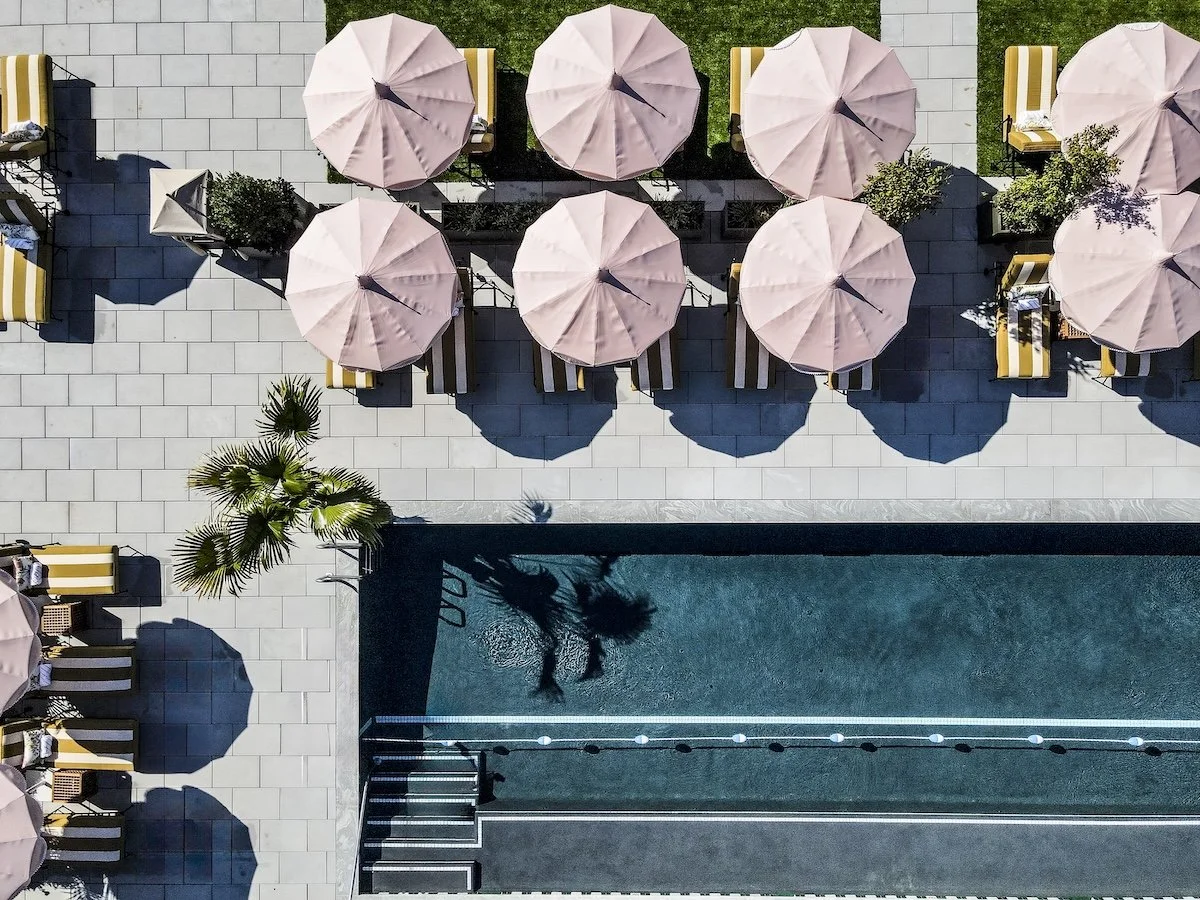
Amenities are often what turn a pleasant stay into a memorable one. Pools, spas, fitness areas, firepits, beaches, gardens, tennis courts, kids’ activities, and complimentary experiences can all influence which property a guest chooses.
The strongest amenity photographs show both what is available and what it feels like to use it. Capture clean, descriptive views for booking and property pages, then add experiential photographs that bring the amenity to life. These images can support packages, seasonal campaigns, social media, and direct-booking promotions.
6. Food and beverage
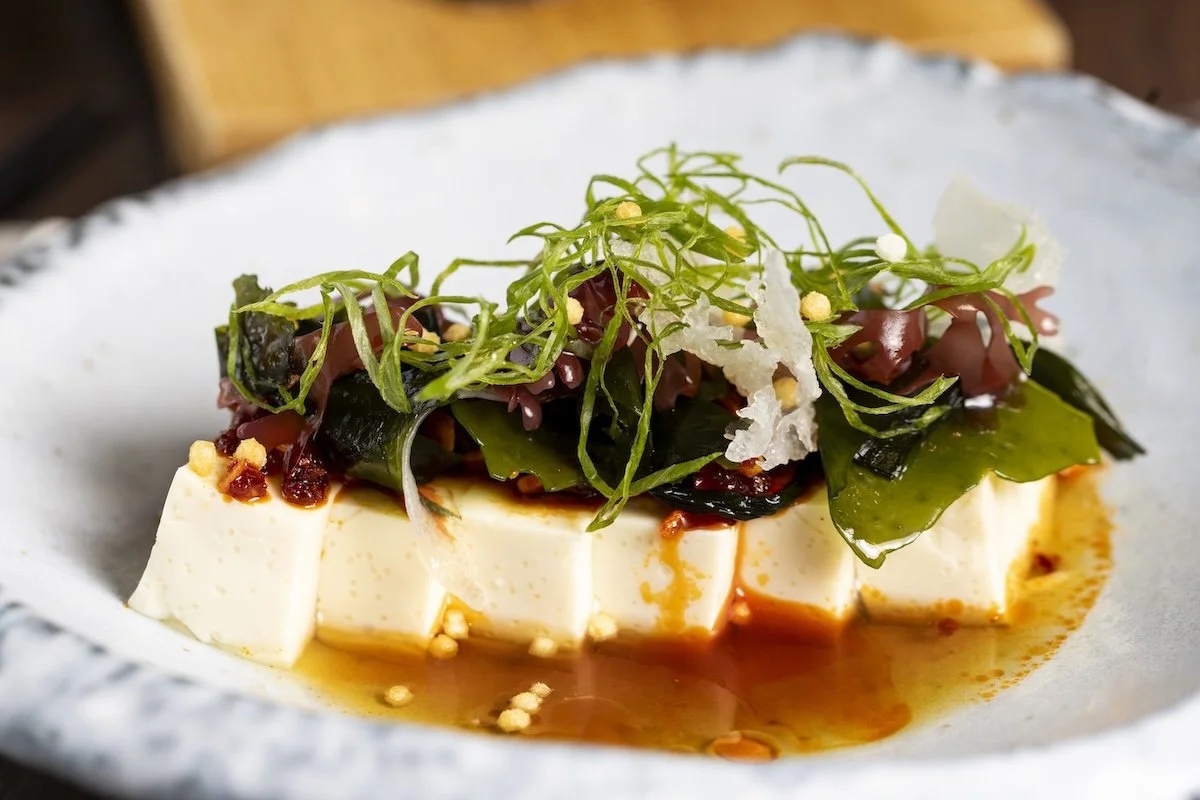
Dining is an important part of the hospitality experience, even when the restaurant is not the primary reason for the trip. Professional food and beverage photography can showcase the restaurant, bar, breakfast service, room service, cocktails, special events, and locally inspired offerings.
Include a mix of finished dishes, drinks, dining spaces, service moments, and atmosphere. Marketing teams can use this content across restaurant pages, social posts, email campaigns, menus, press pitches, and seasonal packages. Food images should feel consistent with the broader visual identity of the property.
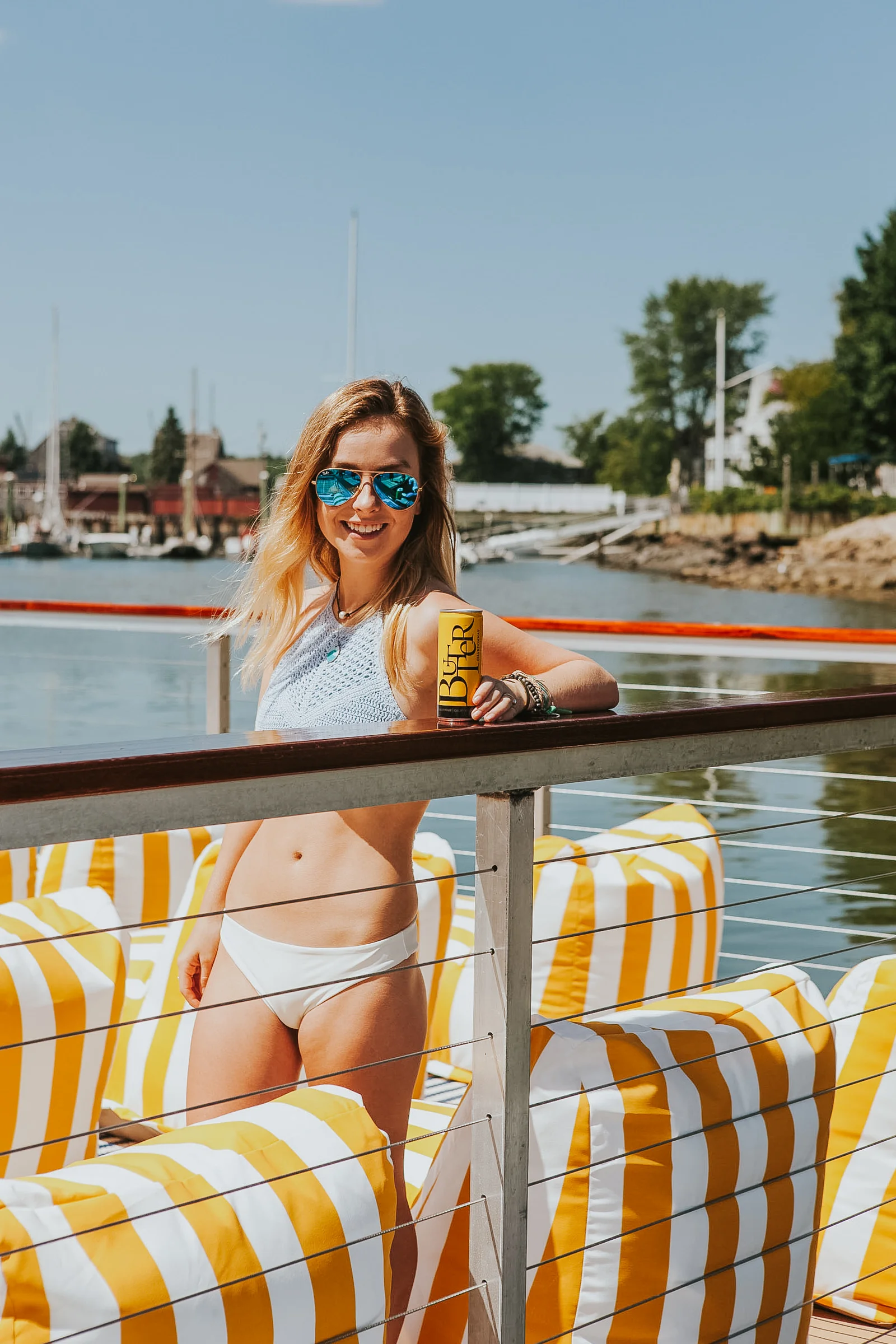
7. Lifestyle and guest-experience photographs
Beautiful spaces are important, but lifestyle photography helps potential guests imagine themselves there. A couple having drinks by the fire, a family walking to the beach, or friends gathering for dinner can communicate warmth, scale, and emotion in a way that an empty room cannot.
The best lifestyle images feel natural and connected to real guest experiences. Plan a simple shot list around the property’s most important audiences and activities, then choose wardrobe and talent that align with the brand. These photographs are especially valuable for homepages, advertising, social media, email marketing, and editorial features.
8. Location, destination, and drone photographs
Guests are booking more than a room. They are also choosing a destination. Photographs of the surrounding coastline, downtown, trails, mountains, neighborhood, or nearby attractions help place the hotel within the larger travel experience.
Drone photography can be particularly useful when it reveals proximity, landscape, waterfront access, or the full scale of a resort. Destination imagery also gives marketing teams useful material for blog posts, travel guides, social media, and pre-arrival emails. Every image should still support the hotel’s story rather than becoming a generic collection of local scenery.




Building a useful hotel image library
A successful hotel photoshoot does not need to produce the same number of images in every category. The right balance depends on the property, its target guests, upcoming campaigns, and the photographs the marketing team already has. Before the shoot, review the current website and marketing materials, identify the largest gaps, and make a prioritized shot list.
It is also helpful to think beyond the immediate website update. A well-planned shoot can create a versatile library that supports many months of social content, email marketing, advertising, public relations, sales materials, and seasonal storytelling.
Planning a hotel or resort photoshoot?
I photograph hotels, resorts, inns, restaurants, and hospitality brands throughout Maine, New England, Florida, and nationwide. My background as Art Director of Maine Home+Design magazine brings an editorial and brand-focused perspective to every assignment.
View my hotel and hospitality photography portfolio, or contact me to discuss the imagery your property needs.
What to Expect from a Hotel Photography Shoot Day
A professional hotel photography shoot involves much more than simply showing up with a camera. Here’s what hotels can expect, from pre-shoot planning and styling to capturing the property and delivering the final images.
If you're planning to invest in professional hotel photography, you probably have questions beyond just "how much does it cost?" You want to know what the process actually looks like: how to prepare your team, what happens on shoot day, and what you'll walk away with. Here's a behind-the-scenes look at what it's like to work with a professional hotel photographer.
It Starts Before the Camera Ever Comes Out
A great hotel shoot doesn't begin on shoot day. It begins with a planning call. Before I ever arrive at your property, we'll spend time talking through your goals, your brand, your target guest, and which spaces matter most. Are you refreshing your website? Launching a new suite? Building a content library for social media? The answer shapes everything from the shot list to the timing of the shoot.
This call also helps us get aligned on logistics such as which rooms will be available, whether we'll need lifestyle models, and what the natural light looks like in key spaces at different times of day. The more we plan upfront, the more efficiently we can work once we're on property.
Shoot Length Varies (and That's a Good Thing)
One of the most common questions I get is: how long will this take? The honest answer is that it depends on the size of your property and the scope of what we're capturing.
Some hotels are best served by a single full shoot day. Others that are particularly larger resorts or properties with multiple buildings, restaurants, and amenity spaces, benefit from breaking the shoot into multiple sessions. This can also work around housekeeping schedules, golden hour lighting, or seasonal considerations like capturing your pool area in summer and your fireside lounge in fall.
We'll figure out the right structure during the planning phase, so there are no surprises.
The Styling Factor: It Changes Everything
Here's something most photographers won't tell you upfront: the number of images you walk away with at the end of a shoot day has as much to do with styling as it does with the photographer.
Styling can make or break a hotel image. A beautifully designed room that hasn't been carefully prepared for camera- wrinkled linens, a flat pillow, a lamp that's slightly off — can undermine an otherwise great shot. On the other hand, a space that's been thoughtfully styled before I ever pick up the camera becomes something magazine-worthy.
Hotel shoots fall on a spectrum. On one end, a property's marketing team is with me every step of the way with fluffing pillows, adjusting props, swapping out décor, perfecting every surface. That level of attention takes time, but it shows. I recently completed a full shoot day where we came away with 16 images not because anything went wrong, but because the team cared deeply about every detail and we gave each space the time it deserved. Those 16 images were exceptional.
The truth is that when I'm working completely independently, the images are harder to achieve at that same level. Styling isn't a nice-to-have it's essential. If your property doesn't have someone on the marketing or operations team who can be hands-on during the shoot, that's something we should talk about before shoot day. I'm happy to provide styling guidance and work closely with whoever is available, and in some cases I can recommend bringing in a dedicated stylist to ensure the images reach their full potential.
Most shoots land somewhere in between with a point of contact available to help, but not needing to be hands on every frame. Whatever your team's capacity looks like, we'll plan for it upfront so nothing is left to chance.
What Shoot Day Actually Looks Like
On the day of the shoot, I typically start with a quick walkthrough of the property to confirm the shot list and assess the light. From there, we move through spaces methodically, generally starting with rooms that have the best morning light and working through common areas, amenities, and exterior shots as the day progresses.
A few things that make a big difference regardless of how involved your team is:
Have rooms ready before I arrive. Freshly made beds with the sheets steamed, styled surfaces, no visible cords, remote controls and other items put away. The camera sees everything, and time spent decluttering on shoot day is time not spent shooting.
Keep spaces clear during setup. A few minutes alone in each room to set up without foot traffic makes a real difference in the final images.
Have someone available, even minimally. Even if your team isn't styling every shot, having a point of contact who can open rooms and answer questions keeps things moving smoothly.
One thing that sets my shoots apart: I photograph tethered to an iPad or laptop, so images can be reviewed in real time as we shoot. That means your team can see exactly what we're capturing, weigh in on adjustments, and leave shoot day with full confidence in what's coming.
How Many Images Will You Receive?
Most hotel clients receive about 20-30 fully edited, high-resolution images per shoot day though as I mentioned above, a highly styled shoot may result in fewer, extraordinary images, while a broader coverage shoot may produce more.
What I can promise is that every image in your final gallery is intentional and polished. There's no filler. Each one goes through full professional editing: color correction, exposure balancing, and careful retouching before delivery via an online gallery, ready to use across your website, booking platforms, and social media.
After the Shoot
Turnaround time for edited images is typically two to three weeks. During that time I'm carefully editing every frame to ensure consistency across the gallery — so your lobby shot and your suite shot feel like they belong to the same visual world.
Once delivered, your images are yours to use across all of your marketing channels. Many clients reach back out seasonally to capture updated content as spaces evolve or new amenities are added.
Ready to Plan Your Hotel Shoot?
Whether you're refreshing your website imagery, preparing for a property relaunch, or simply overdue for updated photos, I'd love to talk through what a shoot would look like for your property. I'm based in southern Maine and work with hotels and resorts throughout New England, Florida, and nationwide.

Portland, Maine Restaurant Interior and Food Photographer
Professional food and interior photography of a Portland, Maine restaurant showcasing table setting and seasonal menu items.
Elevate Your Brand with Strategic Visuals

Food Photography in Portland, Maine by Heidi Kirn
In Portland’s Culinary Scene, First Impressions Are Everything
From cozy cafés to upscale bistros, restaurants in Portland, Maine thrive on more than just flavor—they thrive on atmosphere and visual appeal. That’s why working with a professional restaurant interior and food photographer can be the key to standing out in this competitive market.
I work with chefs, restaurant owners, and creative teams to capture the heart of your space and the craft of your cuisine. Through intentional imagery, I help you tell your story—one that makes guests want to walk through your doors before they even read the menu.
Why Invest in Professional Restaurant Photography?
📸 First Impressions Matter
Today’s diners often discover restaurants through Instagram, Google, or online review platforms. High-quality images communicate credibility, professionalism, and set the tone for the guest experience.
🪑 Showcase the Space
Your interior design is part of your identity. Whether it’s a rustic wine bar, a clean coastal seafood joint, or a vibrant brunch café, interior photography helps potential guests picture themselves there.
🍽️ Highlight the Craft
From perfectly plated entrées to behind-the-scenes chef moments, food photography should be as thoughtful and artistic as your culinary creations.
📣 Support Your Marketing
Use your image library for your website, social media, email campaigns, press features, and even in-house print collateral. Consistent visuals = stronger brand identity.
Local Expertise, Artistic Perspective
As a Portland-based photographer with a background in editorial design, I bring an artistic, brand-focused eye to every shoot. My photography combines interior storytelling and culinary detail to create visuals that are not only beautiful—but strategic.
Available services include:
Restaurant interior photography
Food and cocktail photography
Lifestyle imagery (guest experience, chef portraits)
Short-form video and drone content

Food and Drink photographer, Heidi Kirn, captures your dishes.
Let’s Work Together
If you’re looking for a Portland, Maine restaurant interior and food photographer to help elevate your brand, I’d love to connect. Let’s create imagery that reflects the soul of your space and the passion behind your menu.

How Professional Hotel Photography Attracts More Guests
Professional hotel photography builds trust, boosts bookings, and brings your brand to life. Discover why it’s essential for attracting modern guests.

The Bryant Park Hotel in New York City photography by Heidi Kirn
1. The Visual First Impression: Why Hotel Photography Matters
In today’s digital world, guests are making snap judgments about your hotel long before they ever step foot in the lobby. Whether they're scrolling through Google search results, flipping through a third-party booking site, or browsing your Instagram feed, it’s the images that stop them in their tracks—or make them move on. That means your hotel’s photography isn’t just a nice-to-have—it’s your front-line sales tool.
Professional hotel photography captures more than just rooms; it communicates the feeling of staying at your property. Clean, bright images help guests envision themselves in the space. Photos that highlight amenities like the spa, rooftop bar, or beachfront access show them what kind of experience they’re signing up for. And lifestyle images—people lounging poolside, enjoying breakfast in bed, or sipping cocktails at golden hour—create emotional connections that drive bookings.
If the goal is to get more heads in beds, the journey begins with compelling visuals. Strong photography builds trust, tells your story, and helps your property stand out in a crowded market.
2. Why Hotels Need Professional Photography
In the competitive world of hospitality, visuals aren’t just content—they’re currency. Today’s travelers are visual decision-makers, and often, their booking choice comes down to which property looks the most inviting, aspirational, or aligned with their travel goals. That’s where professional hotel photography becomes a powerful business tool.
High-quality images help your hotel stand out across every digital touchpoint—your website, booking platforms like Expedia or Booking.com, Google listings, social media, and digital ads. When your imagery is polished and professional, it signals credibility, attention to detail, and a premium guest experience. It also increases click-through rates, time spent on site, and ultimately, bookings.
By investing in a professional photographer, you’re not just getting better photos—you’re investing in brand consistency. A skilled photographer will understand your hotel’s identity, audience, and visual goals. They'll capture your spaces in the best light—both literally and figuratively—and provide you with a library of versatile images you can use year-round.
In short, professional hotel photography pays for itself many times over by building trust, strengthening your brand, and inspiring future guests to make that reservation.
3. What Great Hotel Photography Captures
Beautiful hotel photography goes beyond clean rooms and crisp linens—it tells the story of the guest experience. The best images create a sense of place, giving potential visitors a glimpse into what it feels like to stay at your property.
Here’s what a professional hotel photographer focuses on capturing:
Guest Rooms: Light-filled, thoughtfully composed images that highlight comfort, spaciousness, and design details.
Amenities: Pools, spas, fitness centers, lounges, and dining areas should be showcased in a way that feels aspirational yet authentic.
Lifestyle Moments: Guests enjoying the property—having coffee on the balcony, unwinding by the fireplace, or dining al fresco—help paint a picture of the experience.
Day-to-Night Transitions: From golden hour to candlelit evenings, capturing the changing ambiance of your hotel adds depth to your visual library.
Architectural & Design Details: Whether it’s a custom tile mosaic, a curated art piece, or a vintage doorknob, close-up shots of design elements give your hotel personality and charm.
The goal isn’t just to show the space—it’s to capture how it feels to be there. When potential guests can emotionally connect with your imagery, they’re far more likely to click “Book Now.”


Day to Night transitions show of the city skyline.
4. Photography That Aligns with Your Brand
Every hotel has a story to tell—and great photography helps you tell it with intention. Whether your property is a sleek urban boutique, a charming coastal inn, or a luxury resort, your visuals should reflect your brand’s personality and appeal directly to your ideal guest.
Professional hotel photographers don’t just show up with a camera; they take time to understand your brand identity, aesthetic, and target audience. Are you aiming to attract wellness-focused travelers? Romantic weekenders? Business professionals or design lovers? These details influence everything from lighting and styling to composition and color palette.
Visual consistency builds trust and strengthens your brand across platforms. When your photography matches the tone of your marketing—whether that’s minimal and modern, cozy and rustic, or polished and elegant—it helps create a seamless guest journey, from online discovery to check-in.
In short, hotel photography isn’t one-size-fits-all. It should be a visual extension of your brand, creating a cohesive look and feel that draws the right people in—and keeps them coming back.
5. How to Prepare for a Hotel Photoshoot
To get the most out of your investment in professional photography, preparation is key. A well-planned photoshoot not only ensures smooth execution—it also results in stronger, more versatile images that you can use across your entire marketing strategy.
Here are a few tips to help you prepare:
Style Every Space: Make sure rooms are spotless and thoughtfully styled—wrinkle-free linens, fluffed pillows, sparkling surfaces, and natural light make a big difference. Add fresh flowers, curated décor, or a tray with coffee cups to suggest the experience.
Declutter & Hide Cords: Remove signs, cleaning supplies, TV remotes, and visible wires. Less is more when it comes to creating a clean, inviting frame.
Prep Amenities & Public Spaces: Pools should be skimmed, lights turned on in cozy spaces, and any food or drink displays should be fresh and photo-ready.
Think About Timing: Lighting can transform a photo. Early morning or late afternoon often provides the best natural light. Your photographer can help plan the best time to shoot each area.
Involve Your Team: Have someone available who can help with last-minute styling or act as a model for lifestyle shots if needed.
Partnering closely with your photographer during the planning phase ensures the final result reflects your hotel at its absolute best—and gives you a library of brand-aligned images ready for web, print, and social media.
6. Beyond Photos: Using Video and Drone to Elevate Your Story
While still photography is essential for showcasing the details of your hotel, adding video and aerial footage can take your visual storytelling to the next level. These formats bring a dynamic perspective that draws viewers in and helps them experience your property in motion.
Cinematic video offers an immersive way to highlight your hotel’s personality—capturing the rustle of curtains, the sound of waves near the pool, or the golden light pouring into a suite. Short-form video is also ideal for Instagram Reels, website banners, and digital ads, giving you more ways to engage your audience across platforms.
Drone photography and video provide a breathtaking bird’s-eye view of your property, its surroundings, and any standout features—like rooftop bars, ocean views, gardens, or sprawling courtyards. This is especially effective for destination properties or resorts, where location is a key part of the experience.
By layering photo, video, and drone content, you create a well-rounded visual identity that resonates with modern travelers who are scrolling, watching, and dreaming in every format.
7. Why It Pays to Invest in a Hotel Photographer
Professional photography isn’t just a line item on your marketing budget—it’s one of the smartest investments you can make in your brand. In an industry where online presence directly impacts bookings, the quality of your visuals has a measurable return.
Beautiful, on-brand images build credibility and help your hotel stand out in a crowded digital space. They increase engagement on social media, improve your performance on booking platforms, and enhance your website’s user experience. Over time, that leads to more clicks, more direct bookings, and more guests walking through your doors.
Beyond performance metrics, great photography also elevates your brand perception. It tells a cohesive story, creates emotional connection, and positions your property as a destination worth experiencing.
By working with a photographer who understands not just lighting and angles, but branding, storytelling, and hospitality—you’re investing in more than photos. You’re investing in the way your hotel is seen.
Let’s Bring Your Hotel’s Story to Life
If you’re ready to elevate your hotel’s brand with photography and video that truly captures the guest experience, I’d love to collaborate. I specialize in creating high-quality visuals that reflect your unique style, showcase your amenities, and inspire travelers to book. Whether you're updating your website, launching a new campaign, or building content for social media, let's create imagery that works as hard as you do.
📍 Based in Maine. I travel around New England and I am available to travel worldwide.
📩 Get in touch today to start planning your next shoot.

10 Tips for Great Interior Design Photography
Great interior design photography is about more than documenting a space. These 10 tips can help designers prepare, style, and photograph their projects to highlight the details, materials, and overall design.
Capture Interiors That Truly Reflect the Design
Interior photography is part art, part strategy.
It’s not just about showcasing a space, it’s about telling the story of the design, the light, and the atmosphere. Whether you’re an interior designer prepping for a shoot or a photographer breaking into the interiors market, these tips will help you capture interiors with clarity, beauty, and intention.
1. Plan Around Natural Light
Schedule your photoshoot during the time of day when the space gets the most flattering light usually late morning or early afternoon. Avoid harsh midday sun and use sheers or flags to diffuse direct light when needed.
2. Declutter (But Don’t Overstyle)
Remove distractions like cords, trash bins, personal photos and clutter on counters. However, don’t strip the room of personality. Keep objects that tell a story or add texture like coffee table books, ceramics, or a casually draped throw.
3. Use a Tripod
A tripod ensures tack-sharp images and makes it easier to keep vertical lines straight. It also allows for slower shutter speeds in low-light spaces without sacrificing image quality. This also allows you to stack and combine the best parts of each image in photoshop. If you would like a tutorial in how to edit interior photography reach out.
4. Style with Intention
Bring in fresh flowers, fruit bowls, or textiles to enhance the space but don’t over-prop. The goal is to support the design, not distract from it. Think about telling a story with the props such as using breakfast items on a deck.
5. Keep Vertical Lines Straight
This is one of the golden rules of interior photography. Use a tilt-shift lens, or correct any distortion in post-production. Leaning walls or door frames can be visually jarring.
6. Shoot Wide but Not Too Wide
Wide-angle lenses are great for showing spatial relationships, but going too wide can distort proportions. Aim for 24mm range on a full-frame camera for balance. I only like to go wider when it is necessary or a very large space where I can get far enough back.
7. Don’t Forget the Details
Close-up shots of textures, vignettes, or unique design elements add depth to your gallery and are perfect for social media and press.
8. Watch for Reflections
Mirrors, glass, and metal surfaces can pick up reflections of the photographer or lighting gear. Check each shot carefully and adjust your position or angle to avoid them. If you can’t avoid the camera in the mirror then use a remote trigger and remove the camera in post processing in photoshop.
9. Take Your Time with Composition
Check the edges of the frame. Are there objects cut off awkwardly? Is the furniture aligned? Making small adjustments before shooting saves time later and leads to cleaner images. Look carefully at the space between items. Things look much different in camera then the do in person. I always tether to a computer or a laptop using Cam Ranger or Capture one.
10. Collaborate with the Designer
If you’re photographing someone else’s work, communicate about what matters most. Ask which angles or features they want highlighted. Before photoshoot day, ask your designer for a mood board, and work together on a shot list as well as a list of hero shots the images that matter most to them. That conversation changes everything. Great collaboration = great results.
Want Your Project Professionally Photographed?
I specialize in interior design photography that reflects the heart of your space. With a background as an Art Director of a home and design magazine and years of experience capturing interiors for designers, builders, and magazines, I bring a detail-oriented, collaborative approach to every shoot.
Based in Southern Maine. Available for travel.
View my interior work
Get in touch to book your photoshoot or ask questions.

Finding the Perfect Interior Design Photographer Near You: A Complete Guide
Choosing the right interior design photographer can help you capture your work in a way that feels polished, intentional, and true to the space. Here’s what to look for and how to prepare for a successful shoot.
Modern kitchen interior photographed in Freeport, Maine
In the world of interior design, capturing the beauty and essence of a space is just as important as creating it. Whether you're a designer showcasing your latest project, a builder presenting your craftsmanship, or a homeowner wanting to document your beautifully styled rooms, the right photographer can make all the difference.
Interior photography goes beyond snapping a few wide shots—it’s about visual storytelling. A great photographer captures the mood, light, and thoughtful design choices that bring your space to life.
So how do you find the perfect interior design photographer near you? This guide walks you through the key traits to look for, how to research and prepare, and what to expect from the process.
What Does an Interior Design Photographer Do?
Interior design photography is both a creative and technical craft. A skilled photographer doesn’t just take pictures—they interpret the space through their lens. They use lighting, composition, and perspective to highlight the textures, colors, and flow that make each design special.
The best interior design photographers understand how to:
Work with natural and artificial light
Showcase the functionality and ambiance of a space
Highlight key design elements like material choices, color palettes, and styling
Create images that evoke emotion and spark inspiration
Why You Should Hire a Specialist
Not all photographers are created equal—and interior photography is a specialized skill. A photographer who regularly works with interiors understands:
How to handle tricky lighting in real-world spaces
What angles and compositions highlight your work
How to avoid distortion and capture true-to-life colors and textures
Interior photographers also bring a design-savvy eye. They know how to collaborate with interior designers, stylists, and stagers to produce polished, magazine-quality imagery that elevates your brand.
Key Qualities to Look For
When researching local interior design photographers, look for professionals who demonstrate:
Attention to Detail: They notice (and highlight) the thoughtful choices in a space—from the trim of a curtain to the grain of a wood panel.
Lighting & Technical Expertise: Look for someone who knows how to balance natural and artificial light, and who can handle post-processing like a pro.
Creative Vision: They should bring a strong sense of composition and style that matches your own aesthetic.
Experience with Interiors: A portfolio full of weddings or portraits? Probably not your match. You want someone whose main focus is photographing architecture, design, and interiors.

Kitchen interior photography by Heidi Kirn
How to Find a Great Local Interior Photographer
Start your search with:
Referrals from other designers, builders, or realtors
Professional associations or local design organizations
Google searches using terms like “interior design photographer near me” or “[your city] interior photographer”
Social media and local hashtags (e.g. #maineinteriordesign #southernmainephotographer)
When browsing websites or Instagram portfolios, ask yourself:
Does their style align with yours?
Are the images clear, well-lit, and well-composed?
Can you imagine your work being presented in the same polished way?
Questions to Ask Before Hiring
Once you’ve found a few photographers you like, reach out and ask:
What’s your experience with interior design or architectural photography?
Can you show me similar projects you've shot?
What is your process from shoot prep through image delivery?
What’s included in your pricing, and what are your turnaround times?
Do you provide styling or collaborate with designers during the shoot?
These questions will help you find someone who’s the right fit—not just technically, but creatively and professionally.

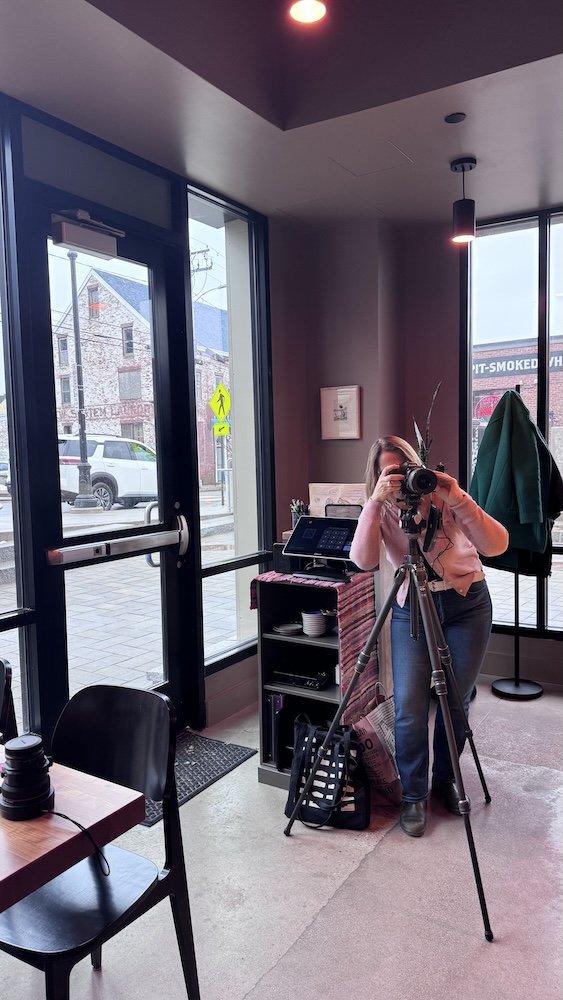
Behind the scenes with interior design photographer, Heidi Kirn.
Understanding Pricing & What to Expect
Interior photography pricing varies based on the scope of the project, number of images needed, travel, and rights usage. Some photographers charge hourly, while others offer half-day or full-day rates.
Common factors that affect cost:
Pre-production (site visits, planning, coordination)
Photography session time
Post-production (editing, retouching)
Image licensing and usage rights
Travel fees (if applicable)
Don’t be afraid to invest in quality. Stunning images can boost your portfolio, attract new clients, and elevate your brand presence across web, social, and print.
How to Prepare Your Space
A few simple steps go a long way:
Declutter: Remove anything distracting or unnecessary.
Clean & Polish: Make sure every surface looks its best.
Style: Add fresh flowers, edit shelves, or restyle areas to elevate the overall look.
Lighting: Open blinds, turn off mixed-temperature bulbs, and let the photographer adjust lighting as needed.
If you're unsure, ask your photographer—they may offer styling suggestions or bring in a stylist to help.
Collaborating With Your Photographer
Great photography is a collaboration. Share your goals, design highlights, and desired mood ahead of time. Provide inspiration images or reference shots if helpful.
During the shoot:
Be open to suggestions—your photographer may spot angles or lighting setups you hadn’t considered.
Allow time to adjust styling or rearrange pieces.
Stay involved, but trust their expertise.
After the shoot, provide feedback on image selection and retouching to ensure the final results meet your vision.
Final Thoughts: Why Interior Photography Matters
Interior design photography is more than just documentation—it’s a vital part of how you market and present your work. Professional images showcase the thought, artistry, and craftsmanship that go into every project.
Whether you're building a portfolio, preparing a pitch, or creating content for your website and social media, the right interior photographer can help tell your story—and attract your ideal clients.
If you’re looking for an interior design photographer near you, take your time to find someone whose eye, skill, and style align with your own. The results will speak for themselves.
Looking for an Interior Design Photographer in Maine?
I specialize in interior, architectural, and hospitality photography throughout Southern Maine, New England, and beyond. View My Portfolio or Get in Touch to discuss your project.

Construction Site: Knickerbocker Group Job Site
Drone photography offers a powerful way to show the full scale, setting, and surroundings of a property. See how aerial images can add impact to architecture, hospitality, and commercial projects.
One of our standout projects this year was partnering with the Knickerbocker Group | Maine Design-Build Firm to document their construction of a stunning new property in Harpswell, Maine.
Over the course of four visits spread across the year, we captured the site's transformation using drone aerial photography. The goal was to showcase the building's evolution and provide a unique, bird's-eye view of the project's progress.


The Power of Drone Photography
Drone photography offers a fantastic perspective. From the sky, you get to see the layout of the land, the size and scope of the project, and the intricate details of the structure as it rises from the ground. Our drone-certified team expertly navigated the challenges of different weather conditions and project stages to capture both the big picture and the finer details of this impressive job site.
Capturing Every Stage of Construction
From the early stages, when the foundation was laid, to the final moments when the building’s roof was installed, we were able to document the evolution in a comprehensive and visually compelling way. Each aerial shot tells a part of the story—allowing the Knickerbocker Group and their clients to see the project from a fresh perspective at each milestone.
How the Process Unfolded
First Visit: Breaking Ground
The first visit to the site focused on capturing the preparations and the initial layout. The raw, untouched land provided a unique look at the groundwork that would eventually support the beautiful structure to come.
Second Visit: Foundations and Framing
By the second visit, the foundation had taken shape. The framing and early structural work were already underway. This stage, with scaffolding and raw materials scattered around, showcased the bones of the building and the careful planning involved in the project.
Third Visit: Roofing and Exterior Work
Our third visit documented the progress in roofing and exterior construction. The roof’s metal structure began to take form, showing a dramatic shift in the scale and shape of the building. The view from above provided insight into how the building would integrate with its natural surroundings.
Final Visit: The Completed Roof and Site Finishing Touches
The final aerial images captured the completed roof and surrounding site as the project neared its finish. From this vantage point, we could see the full scope of the completed work, with the surrounding landscape beautifully framing the building. The integration of nature and modern design became even clearer in these images.
Why Drone Photography Matters for Construction Documentation
Drone photos are not just visually striking; they are also valuable for construction project management. These aerial views serve as powerful marketing tools, helping to attract future clients and partners who can see firsthand the quality of work being done.
Additionally, drones capture hard-to-reach areas and provide a unique view of the property and the surrounding beauty. From up in the sky, we can capture the full scope of a site—information that can be invaluable for project managers and architects to make informed decisions.
Certified and Experienced Drone Operators
We are FAA certified drone pilot operators, ensuring that we meet all the safety and legal requirements for aerial photography. We prioritize safety while delivering the highest quality content. Our team has the experience and expertise to navigate challenging environments and deliver stunning images that showcase the true beauty and progress of each project.
This year-long documentation of the Knickerbocker Group project in Harpswell is a perfect example of how drone photography can bring a construction project to life in a way that is both engaging and informative. We're proud to have captured this incredible project from the sky and look forward to the opportunity to continue working with construction teams and developers to document their work from above.
If you're looking for stunning aerial photography to document your own construction projects or any other events, reach out as we would love to discuss your project! We’re here to help you tell your story from a unique perspective.