
How to Hire a Hotel Photographer
A Guide for Hotel Owners and Marketing Directors
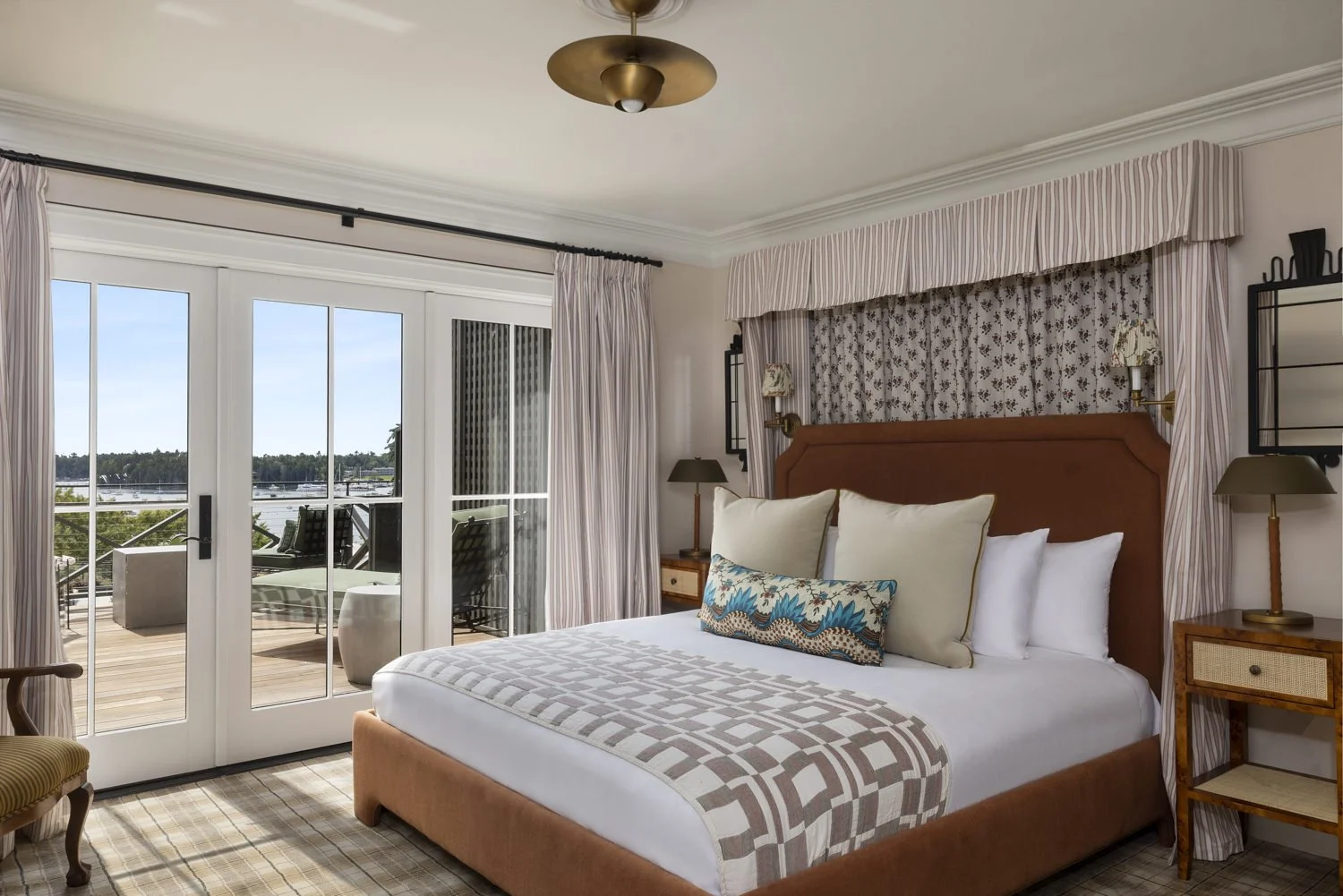
The Asticou Hotel, Northeast Harbor, ME. Photography by Heidi Kirn.
Hiring the right hotel photographer is an important investment in your property’s marketing. The images may be used for years across your website, booking platforms, advertising, public relations, social media, email campaigns, and sales materials.
A successful hotel photoshoot requires more than attractive pictures. The photographer should understand architecture, interiors, food, lifestyle, branding, and the practical realities of working within an active property.
Look for Hospitality Experience
Hotel photography is different from real estate photography. The goal is not only to document a room or building, but to communicate what it feels like to stay at the property.
A hospitality photographer should be comfortable moving between guest rooms, restaurants, amenities, lifestyle scenes, food, staff, exteriors, and the surrounding destination. They should also know how to work efficiently around guests, housekeeping, and hotel operations.
Review Complete Projects, Not Just a Few Images
Ask to see a complete hotel or resort project whenever possible. A full production requires consistency across different spaces, lighting conditions, and types of content.
Look for cohesive color, lighting, composition, editing, and brand alignment. The final collection should feel connected, even when the photographer moves from bright interiors to a dark restaurant, an outdoor pool, or an aerial view.
Make Sure They Understand Your Brand
A historic coastal inn should not be photographed like a modern city hotel or a luxury wellness resort. Before the shoot, the photographer should learn about your ideal guest, brand positioning, key amenities, competitive advantages, and upcoming marketing priorities.
The goal is to create images that feel specific to your property, not generic hotel photography. Light, styling, people, movement, and mood should all support the brand.
Ask About Photography, Video, and Drone
Hotels often need several types of content during the same production. Ask whether the photographer can handle interiors, architecture, food, lifestyle, staff, events, and exterior photography with a consistent visual approach.
Video can add movement and atmosphere through homepage films, room walkthroughs, vertical social clips, restaurant footage, and short advertising content. Capturing photography and video together can be more efficient when rooms are styled and models or staff are already available.
Drone photography and video can show the property layout, surrounding destination, waterfront access, landscaping, pools, and the relationship between buildings and amenities. For commercial work, the drone operator should be properly certified and insured.
Find Out Whether They Help Plan the Shoot
A strong hotel photographer should do more than arrive with a camera. The planning process should include reviewing your current marketing materials, identifying missing or outdated images, and creating a prioritized shot list.
The list should account for room categories, amenities, restaurants, seasonal needs, website updates, public relations, advertising, social media, recent renovations, and new guest experiences. Good planning makes the shoot more efficient and reduces the chance of missing important content.
Discuss Licensing, Pricing, and Timing
Before the shoot, discuss where the images will be used and what licensing is included. Your hotel may need content for its website, online travel agencies, social media, advertising, brochures, event sales, and public relations. Architects, designers, builders, restaurants, or management companies may also want usage rights.
Pricing depends on the size of the property, number of room categories, amenities, shoot days, styling, models, food photography, video, drone work, travel, retouching, and licensing. A small inn may need one focused day, while a larger resort may require multiple days or seasonal visits.
One of the most common mistakes is trying to fit too much into too little time. Rooms must be cleaned and styled, restaurants may need to be photographed outside service hours, and exterior or drone work depends on weather and light. An experienced photographer should be realistic about what can be completed well.
Prepare the Property Carefully
The condition of the property has a major impact on the final images. Coordinate housekeeping, maintenance, landscaping, room styling, food preparation, staff schedules, models, props, parking, and guest access before the shoot.
Small details matter. Wrinkled bedding, cluttered counters, burned-out light bulbs, visible cleaning supplies, damaged furniture, or unfinished landscaping can distract from otherwise strong photographs. Your photographer should provide preparation guidance in advance.
Questions to Ask Before Hiring
Do you have experience photographing hotels and resorts?
Can I see complete hospitality projects?
Do you photograph interiors, lifestyle, food, and people?
Do you provide video and commercial drone services?
Can you help us develop the shot list and production schedule?
What licensing and number of final images are included?
How many shoot days do you recommend?
How should we prepare the property?
What happens if weather affects the shoot?
Do you travel and carry appropriate insurance?
Choosing the Right Hotel Photographer
The right hotel photographer should feel like a creative partner. They should understand your property, your guest, and your marketing goals, then create a cohesive library that works across platforms and campaigns. Most importantly, the images should show not only what your hotel looks like, but what it feels like to stay there.
Planning Photography for Your Hotel or Resort?
I work with hotels and resorts throughout the country to create cohesive photography libraries that capture the full guest experience. Whether you are planning a property refresh, seasonal campaign, renovation launch, or new website, I can help develop the shot list, production schedule, and creative approach for your project.